Kickstarting your journey in cloud computing? Azure certification isn’t just a badge—it’s your golden ticket to high-demand tech roles, better pay, and global recognition. Let’s dive into the ultimate roadmap.

What Is Azure Certification and Why It Matters
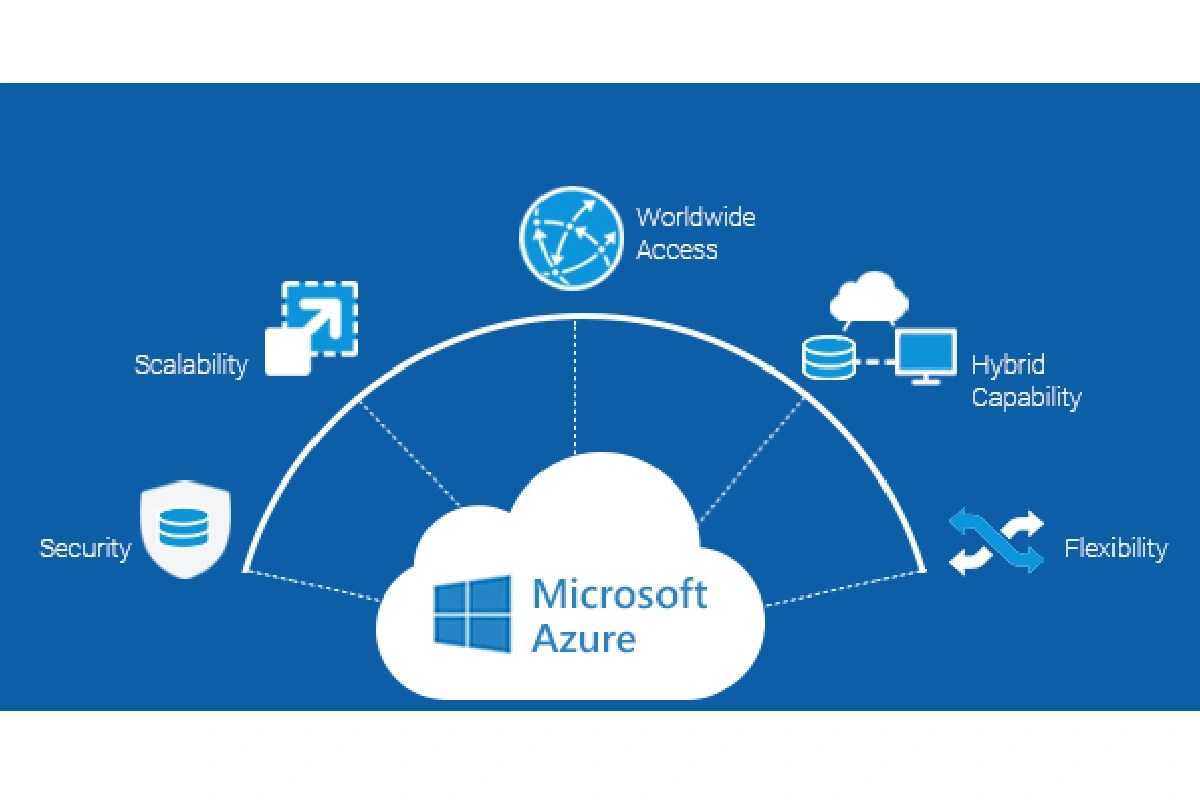
Microsoft Azure certification is a globally recognized validation of your expertise in Microsoft’s cloud platform. As businesses rapidly migrate to the cloud, certified professionals are in high demand across industries. These certifications prove you have the skills to design, implement, and manage cloud solutions using Azure services.
Defining Azure Certification
Azure certification is a structured program by Microsoft that validates technical proficiency in various aspects of the Azure cloud ecosystem. From foundational knowledge to expert-level architecture and development, these credentials are designed to align with real-world job roles.
Each certification targets a specific career path—such as administrator, developer, or solutions architect—and is backed by rigorous exams that test practical and theoretical knowledge. Microsoft regularly updates its certification paths to reflect evolving technologies, ensuring relevance in today’s fast-paced IT landscape.
Why Azure Dominates the Cloud Market
According to Statista, Microsoft Azure holds over 23% of the global cloud infrastructure market, second only to AWS. Its deep integration with enterprise tools like Microsoft 365, Active Directory, and Dynamics 365 makes it a preferred choice for organizations already embedded in the Microsoft ecosystem.
Azure’s hybrid cloud capabilities also set it apart. Unlike competitors, Azure offers seamless connectivity between on-premises infrastructure and cloud environments—ideal for large enterprises transitioning gradually. This unique advantage increases the demand for professionals who understand both cloud and legacy systems.
“Certifications are no longer optional—they’re a career accelerator.” — John Savill, Microsoft Azure MVP
Top 7 Azure Certification Paths for 2024
Microsoft has restructured its Azure certifications into role-based tracks, making it easier for professionals to align learning with career goals. Below are the seven most impactful Azure certification paths you should consider in 2024.
Azure Fundamentals (AZ-900)
The AZ-900: Microsoft Azure Fundamentals exam is the perfect starting point for anyone new to cloud computing. It covers basic cloud concepts, core Azure services, security, privacy, compliance, and pricing models.
This certification doesn’t require prior experience, making it ideal for students, career changers, or IT professionals exploring cloud roles. While it’s an entry-level credential, it lays the groundwork for more advanced certifications and demonstrates a foundational understanding valued by employers.
According to Microsoft’s official learning path, over 2 million people have earned the AZ-900 certification since its launch, highlighting its popularity and accessibility.
Azure Administrator (AZ-104)
The AZ-104: Microsoft Azure Administrator certification is designed for professionals managing cloud resources. It validates skills in implementing, monitoring, and maintaining Azure environments.
Key topics include virtual networks, identity management with Azure Active Directory, storage solutions, and resource governance. Passing this exam proves you can handle day-to-day operations in Azure, making it one of the most sought-after credentials for cloud administrators.
Many job postings on LinkedIn and Indeed list AZ-104 as a preferred or required qualification, especially for roles like Cloud Support Engineer or Systems Administrator.
Azure Developer (AZ-204)
The AZ-204: Developing Solutions for Microsoft Azure targets software developers building cloud-native applications. It covers creating and deploying apps using Azure App Services, implementing Azure Functions, working with storage, and securing APIs.
This certification emphasizes hands-on coding and integration with DevOps practices. Candidates are expected to have experience in programming languages like C#, Python, or Node.js and familiarity with Azure CLI and SDKs.
For developers aiming to specialize in cloud application development, AZ-204 is a critical milestone. It’s often a prerequisite for more advanced developer-focused roles and is highly valued in agile and DevOps-driven organizations.
azure certification – Azure certification menjadi aspek penting yang dibahas di sini.
Azure Solutions Architect (AZ-305)
The AZ-305: Designing Microsoft Azure Infrastructure Solutions is the pinnacle for architects. It validates the ability to design scalable, secure, and reliable cloud solutions across compute, network, storage, and security domains.
Candidates must demonstrate expertise in cost optimization, governance, disaster recovery, and hybrid integration. Unlike other exams, AZ-305 focuses on decision-making and trade-offs rather than configuration.
This certification is typically pursued after gaining experience through AZ-104 or equivalent real-world work. It’s a key differentiator for senior technical roles and often leads to six-figure salaries in North America and Europe.
Azure Security Engineer (AZ-500)
The AZ-500: Microsoft Azure Security Technologies is tailored for cybersecurity professionals responsible for protecting cloud environments. It covers identity and access management, platform protection, data and application security, and security monitoring.
With cyber threats on the rise, organizations are prioritizing cloud security. The AZ-500 certification equips professionals with the tools to implement Zero Trust policies, configure firewalls, and use Microsoft Defender for Cloud effectively.
According to Cybersecurity Ventures, there will be 3.5 million unfilled cybersecurity positions globally by 2025. AZ-500 holders are well-positioned to fill these gaps, especially in regulated industries like finance and healthcare.
Azure Data Scientist (DP-100)
The DP-100: Designing and Implementing a Data Science Solution on Azure is for professionals leveraging AI and machine learning in the cloud. It validates skills in creating ML models using Azure Machine Learning, managing datasets, and deploying models at scale.
This certification bridges data science and cloud engineering, making it ideal for data scientists transitioning to cloud platforms or engineers expanding into AI/ML roles.
Microsoft’s integration with open-source frameworks like PyTorch and TensorFlow, along with automated ML capabilities, makes Azure a powerful platform for AI innovation. DP-100 certified professionals are in demand across tech, retail, and healthcare sectors.
Azure DevOps Engineer (AZ-400)
The AZ-400: Designing and Implementing Microsoft DevOps Solutions is for engineers who streamline development workflows using Azure DevOps Services. It covers continuous integration/continuous deployment (CI/CD), infrastructure as code (IaC), configuration management, and monitoring.
This certification is crucial for organizations adopting agile methodologies and cloud-native development. It requires knowledge of tools like Azure Pipelines, GitHub Actions, ARM templates, and Terraform.
DevOps engineers with AZ-400 certification often lead digital transformation initiatives and are instrumental in reducing deployment times and improving software quality.
How to Choose the Right Azure Certification Path
Selecting the right Azure certification depends on your current skill level, career goals, and job role. With multiple paths available, it’s easy to feel overwhelmed. Here’s how to make a strategic choice.
Assess Your Current Skills and Experience
Start by evaluating your technical background. Are you a developer, system administrator, security analyst, or data professional? Your existing expertise will guide your certification path.
For example, if you manage on-premises servers, AZ-104 is a logical next step. If you write code, AZ-204 aligns better. For those in security, AZ-500 is essential. Understanding your strengths helps avoid pursuing irrelevant certifications.
Align Certification with Career Goals
Think long-term. Do you want to become a cloud architect, security specialist, or AI engineer? Each role has a defined certification path.
azure certification – Azure certification menjadi aspek penting yang dibahas di sini.
Microsoft provides career roadmaps on its official certification page, showing progression from fundamentals to expert levels. Following these roadmaps ensures you build skills in the right sequence.
For instance, aspiring architects often start with AZ-900, then AZ-104, before tackling AZ-305. Skipping steps may lead to knowledge gaps that hinder exam success.
Consider Industry Demand and Salary Impact
Some certifications offer better ROI than others. According to Indeed Salary Data, Azure-certified professionals earn an average of $120,000 per year in the U.S., with architects and security engineers commanding even higher salaries.
Roles requiring AZ-305 and AZ-500 often pay 20-30% more than entry-level positions. Research job boards like LinkedIn, Glassdoor, and Dice to see which certifications are most frequently requested in your target market.
“Certification alone won’t get you hired, but combined with experience, it opens doors.” — Sarah Guthals, PhD, Tech Career Coach
Step-by-Step Guide to Earning Your Azure Certification
Earning an Azure certification is a structured process that combines learning, practice, and assessment. Follow this step-by-step guide to maximize your chances of success.
Step 1: Register on Microsoft Learn
Begin at Microsoft Learn, Microsoft’s free learning platform. It offers interactive modules, hands-on labs, and learning paths tailored to each certification.
Create a free account and search for your target certification (e.g., AZ-104). You’ll find a curated collection of modules covering every exam objective. Track your progress and earn gamified points as you complete lessons.
Step 2: Gain Hands-On Experience
Theory isn’t enough. Azure certifications test practical skills, so you need real-world experience. Microsoft offers a free Azure account with $200 credit and 12 months of free services to get started.
Use this sandbox to deploy virtual machines, configure networks, set up storage accounts, and experiment with security policies. Replicate exam scenarios to build muscle memory. For developers, deploy a sample app using Azure App Service and integrate it with a database.
Step 3: Schedule and Prepare for the Exam
Once you’ve completed the learning path and gained hands-on practice, schedule your exam through Pearson VUE or Certiport. Exams typically cost between $99 and $165.
Use official practice tests from Microsoft or third-party platforms like Whizlabs and MeasureUp. These simulate the actual exam environment and help identify weak areas. Focus on time management and question interpretation—many candidates fail due to misreading scenarios.
Benefits of Azure Certification for Your Career
Earning an Azure certification goes beyond passing an exam. It delivers tangible career benefits that can transform your professional trajectory.
Increased Job Opportunities
Cloud skills are among the most in-demand in the tech industry. A certification signals to employers that you possess validated expertise, giving you a competitive edge.
Job platforms like LinkedIn show thousands of openings requiring Azure certifications. Roles range from Cloud Administrator to AI Engineer, with opportunities in startups, enterprises, and government agencies.
- Over 70% of Fortune 500 companies use Azure
- Microsoft reports that certified professionals are 5x more likely to be contacted by recruiters
- Remote and hybrid cloud roles are on the rise, increasing geographic flexibility
Higher Salary and Earning Potential
Certification directly impacts income. According to Microsoft’s certification salary report, Azure-certified professionals earn up to 30% more than non-certified peers.
Specialized certifications like AZ-305 and AZ-500 often lead to six-figure salaries, especially in regions like North America, Western Europe, and Australia.
azure certification – Azure certification menjadi aspek penting yang dibahas di sini.
Additionally, certifications can be leveraged during salary negotiations, promotions, or contract renewals.
Global Recognition and Professional Credibility
Microsoft certifications are recognized worldwide. Whether you’re applying for jobs in Singapore, Germany, or Canada, your Azure credential holds value.
They also enhance your professional credibility. Clients, managers, and peers trust certified individuals to make sound technical decisions. This trust can lead to leadership opportunities and project ownership.
“My AZ-305 certification helped me land a remote role with a U.S.-based company paying double my local market rate.” — Priya M., Solutions Architect, India
Common Challenges and How to Overcome Them
While Azure certification offers immense rewards, the journey isn’t without obstacles. Here are common challenges and proven strategies to overcome them.
Information Overload and Rapid Changes
Azure evolves quickly, with new services and features released monthly. Keeping up can be overwhelming.
Solution: Focus on core services and exam objectives. Use Microsoft Learn’s updated content and subscribe to the Azure Updates blog for announcements. Prioritize depth over breadth—master foundational concepts before diving into niche tools.
Cost of Exams and Training
While Microsoft Learn is free, exam fees and premium training courses can add up, especially if you need to retake exams.
Solution: Take advantage of free resources first. Use the Azure free account for labs. Look for Microsoft-sponsored events like Microsoft Ignite or local user groups that offer free exam vouchers. Some employers also reimburse certification costs—ask your HR department.
Time Management for Working Professionals
Balancing study with a full-time job and personal life is tough.
Solution: Create a study schedule. Dedicate 5–10 hours per week over 6–8 weeks. Use techniques like the Pomodoro method (25-minute focused sessions) to maximize efficiency. Break learning into small, manageable chunks—complete one module per day.
Future of Azure Certification and Cloud Careers
The future of Azure certification is bright, driven by digital transformation, AI integration, and hybrid cloud adoption. Staying ahead requires continuous learning and adaptation.
Integration with AI and Machine Learning
Microsoft is embedding AI into Azure services, from automated security responses to intelligent data analytics. Future certifications will likely emphasize AI literacy and prompt engineering for cloud automation.
For example, Azure OpenAI Service allows developers to integrate large language models into applications. Understanding how to deploy and secure these models will become a core skill.
Professionals who combine cloud expertise with AI knowledge will be in high demand.
Hybrid and Multi-Cloud Expertise
As organizations adopt multi-cloud strategies, Azure professionals must understand interoperability with AWS and Google Cloud. Microsoft’s Azure Arc enables management of resources across clouds and on-premises environments.
Future certifications may include hybrid cloud management, cross-platform security, and cost optimization across providers.
azure certification – Azure certification menjadi aspek penting yang dibahas di sini.
Specialists who can navigate multi-cloud landscapes will be invaluable to enterprises.
Lifelong Learning and Certification Renewal
Microsoft requires most role-based certifications to be renewed every year. This ensures professionals stay current with technology changes.
Renewal involves completing free online assessments on Microsoft Learn, not retaking full exams. This model promotes continuous learning without excessive burden.
Embrace this as an opportunity to refresh skills and explore new services. Treat certification as a journey, not a destination.
Is Azure certification worth it in 2024?
Absolutely. With cloud adoption accelerating and Azure being a market leader, certification enhances employability, salary, and career growth. It’s one of the most valuable investments you can make in your tech career.
How long does it take to get Azure certified?
It depends on your background. Beginners may need 6–8 weeks for AZ-900, while AZ-305 can take 3–6 months with consistent study. Hands-on experience significantly reduces learning time.
Can I get Azure certified without experience?
Yes, especially for AZ-900 and AZ-104. While experience helps, Microsoft provides learning resources and free labs to build skills from scratch. Many professionals start with no cloud background.
Which Azure certification pays the most?
Azure Solutions Architect (AZ-305) and Azure Security Engineer (AZ-500) typically offer the highest salaries, often exceeding $140,000 annually in the U.S. Specialized roles in AI and DevOps also command premium pay.
Do Azure certifications expire?
Yes, most role-based certifications are valid for one year. You must renew them via free online assessments on Microsoft Learn to maintain active status. This ensures your skills remain up-to-date.
Microsoft Azure certification is more than a credential—it’s a career catalyst. Whether you’re starting fresh or advancing your expertise, the right certification path can unlock new opportunities, higher income, and global recognition. With structured learning, hands-on practice, and strategic planning, you can master Azure and future-proof your tech career. Start today, stay curious, and keep climbing.
azure certification – Azure certification menjadi aspek penting yang dibahas di sini.
Further Reading:
