Kickstarting your journey with Azure certifications can transform your tech career. These credentials validate your cloud expertise, boost credibility, and open doors to high-paying roles in a rapidly growing industry.
Azure Certifications: The Ultimate Career Accelerator
.png?w=1200)
Microsoft Azure has firmly established itself as one of the leading cloud platforms globally, second only to AWS in market share. As organizations continue migrating infrastructure, applications, and data to the cloud, the demand for skilled Azure professionals is skyrocketing. Azure certifications serve as a powerful differentiator in this competitive landscape, offering a structured path to validate your technical proficiency and domain-specific knowledge.
These certifications are not just digital badges—they represent a commitment to excellence, continuous learning, and mastery of real-world cloud solutions. Whether you’re an IT administrator, developer, data engineer, or security specialist, there’s an Azure certification tailored to your career trajectory. Microsoft designs these credentials to align with industry roles, ensuring that certified professionals are job-ready and capable of solving complex cloud challenges.
According to Microsoft, individuals with Azure certifications report higher salaries and faster career advancement. Employers trust these credentials because they’re backed by rigorous exams that test both theoretical knowledge and practical skills. Moreover, Microsoft regularly updates its certification paths to reflect the latest technologies, such as AI integration, hybrid cloud environments, and zero-trust security models.
“Certifications are a signal to employers that you’ve invested time and effort into mastering a technology.” — Microsoft Learning Team
Why Azure Certifications Matter in 2024
In today’s digital-first economy, cloud computing is no longer optional—it’s essential. Over 95% of enterprises now use cloud services, and Azure powers a significant portion of them. Azure certifications validate your ability to design, implement, and manage cloud solutions on this platform, making you a valuable asset to any organization.
One of the biggest advantages of Azure certifications is their alignment with Microsoft’s role-based learning model. Unlike older, technology-focused certifications, today’s Azure credentials are built around job roles like Administrator, Developer, Architect, and Security Engineer. This means you’re not just learning random features—you’re gaining skills directly applicable to real-world positions.
Additionally, Azure certifications are recognized globally. Whether you’re applying for jobs in New York, London, or Singapore, hiring managers understand the rigor behind these credentials. They also integrate seamlessly with LinkedIn and other professional networks, allowing you to showcase your achievements and increase visibility to recruiters.
How Azure Certifications Boost Earning Potential
Investing in Azure certifications often pays off financially. According to industry surveys, certified Azure professionals earn significantly more than their non-certified peers. For example, the average salary for an Azure Administrator ranges from $80,000 to $120,000 annually, while Azure Solutions Architects can command over $140,000 per year.
Beyond base salaries, certifications can lead to bonuses, promotions, and leadership opportunities. Many companies offer financial incentives for employees who earn certifications, covering exam fees and providing study time. This support reflects the tangible value organizations place on certified talent.
Moreover, Azure certifications enhance your negotiating power. When you can demonstrate validated expertise, you’re in a stronger position to ask for higher compensation or better job titles. They also future-proof your career by keeping you relevant as technology evolves.
- Certified professionals see up to 20% higher salaries on average.
- Over 70% of IT managers prioritize hiring certified candidates.
- Microsoft reports that 85% of certified individuals feel more confident in their roles.
Understanding the Azure Certification Hierarchy
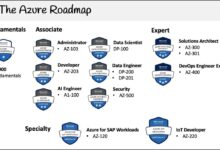
Microsoft has restructured its certification program to be more intuitive and role-focused. The current hierarchy is divided into four main levels: Fundamental, Associate, Expert, and Specialty. Each level builds upon the previous one, allowing professionals to progress from foundational knowledge to advanced expertise.
This tiered structure ensures that learners follow a logical progression. For instance, someone starting in IT might begin with the Microsoft Certified: Azure Fundamentals (AZ-900) exam before advancing to role-based Associate certifications like Azure Administrator or Developer. From there, they can pursue Expert-level credentials, which require deeper knowledge and often multiple exams.
The role-based approach also means that each certification maps directly to a specific job function. This clarity helps both individuals planning their career paths and employers looking to hire for particular roles. Microsoft provides detailed learning paths, including free training modules on Microsoft Learn, to guide candidates through each certification journey.
Fundamental Level: Your First Step into Azure
The Fundamental level is designed for beginners with little to no prior experience in cloud computing. It serves as an entry point for students, career changers, and professionals from non-technical backgrounds who want to understand cloud concepts and Microsoft Azure’s core services.
The most popular Fundamental certification is the AZ-900: Microsoft Azure Fundamentals. This exam covers basic cloud concepts, core Azure services, security, privacy, compliance, and pricing. It does not require hands-on technical experience, making it ideal for sales, marketing, or management professionals who need a working understanding of Azure.
Earning the AZ-900 certification demonstrates that you understand the value of cloud computing and how Azure fits into modern business environments. While it doesn’t qualify you for technical roles, it’s a great resume booster and a prerequisite for some Associate-level certifications.
- AZ-900 is ideal for non-technical roles and aspiring cloud professionals.
- No prior Azure experience required.
- Serves as a foundation for more advanced certifications.
Associate Level: Building Specialized Skills
The Associate level is where most technical professionals begin their certification journey. These credentials validate intermediate skills in specific job roles and require a solid understanding of Azure services and practical experience.
Popular Associate certifications include:
azure certifications – Azure certifications menjadi aspek penting yang dibahas di sini.
- AZ-104: Microsoft Azure Administrator – For professionals managing cloud resources, identities, storage, and networking.
- AZ-204: Developing Solutions for Microsoft Azure – For developers building cloud-native applications using Azure services.
- AZ-305: Designing Microsoft Azure Infrastructure Solutions – For architects designing scalable and secure cloud solutions.
- AZ-400: Designing and Implementing Microsoft DevOps Solutions – For engineers automating CI/CD pipelines and improving development workflows.
Each Associate certification requires passing a single exam (though some have recommended prerequisites). Candidates are expected to have 6–12 months of hands-on experience with Azure. Microsoft provides free learning paths, practice tests, and sandbox environments to help prepare for these exams.
“The Associate certifications are where you start proving your real-world skills.” — Cloud Architect, Microsoft MVP
Expert Level: Mastering Complex Cloud Challenges
Expert-level certifications are designed for seasoned professionals who have deep technical knowledge and extensive experience in designing and implementing enterprise-grade solutions on Azure.
The two main Expert certifications are:
- Microsoft Certified: Azure Solutions Architect Expert – Requires passing both AZ-104 and AZ-305. This credential is highly respected and often required for senior architecture roles.
- Microsoft Certified: DevOps Engineer Expert – Requires passing either AZ-400 alone or a combination of AZ-104 and AZ-400, depending on your background.
These certifications are challenging and demand a comprehensive understanding of Azure’s ecosystem. Candidates must be able to make architectural decisions, optimize costs, ensure security, and integrate hybrid environments. Many professionals spend months preparing for these exams, using official Microsoft training, hands-on labs, and third-party resources like Pluralsight or A Cloud Guru.
Expert certifications open doors to leadership roles, consulting opportunities, and higher salaries. They are often seen as a benchmark of technical excellence in the cloud community.
Specialty Certifications: Niche Expertise for High-Demand Roles
Introduced to address emerging technologies and specialized domains, Specialty certifications focus on advanced, narrowly defined areas of expertise. These are ideal for professionals who want to stand out in competitive fields.
Current Specialty certifications include:
- AZ-303: Microsoft Azure Architect Technologies (legacy, now replaced by AZ-305)
- AZ-500: Microsoft Azure Security Technologies – Though now under Associate, it’s often considered a gateway to security specialization.
- AZ-800 & AZ-801: Administering Windows Server Hybrid Core Infrastructure – For IT pros managing hybrid environments.
- SC-100: Microsoft Cybersecurity Architect – While not strictly Azure, it integrates heavily with Azure security services.
Specialty certifications are typically updated more frequently to reflect fast-moving technologies like AI, machine learning, and edge computing. They are perfect for professionals aiming to become subject matter experts in areas like cloud security, data engineering, or IoT.
Top 7 Azure Certifications to Pursue in 2024
With so many Azure certifications available, it can be overwhelming to choose the right one. Based on market demand, salary potential, and career growth, here are the seven most valuable Azure certifications to consider in 2024.
AZ-900: Microsoft Azure Fundamentals
The AZ-900 is the perfect starting point for anyone new to cloud computing. It introduces core concepts like IaaS, PaaS, SaaS, public vs. private cloud, and Azure’s global infrastructure.
This certification is ideal for:
- Students exploring IT careers
- Non-technical professionals in IT-adjacent roles
- Professionals transitioning from on-premises to cloud environments
While AZ-900 won’t land you a technical job, it builds foundational knowledge and boosts credibility. Many employers view it as a sign of initiative and willingness to learn. You can prepare using free resources on Microsoft Learn, which includes interactive modules and practice quizzes.
AZ-104: Microsoft Azure Administrator
The AZ-104 is one of the most popular Azure certifications and a gateway to many cloud careers. It validates your ability to manage Azure identities, governance, storage, virtual machines, virtual networks, and monitoring.
Key topics include:
- Managing Azure Active Directory and role-based access control (RBAC)
- Configuring and managing storage accounts, blobs, and file shares
- Deploying and scaling virtual machines
- Implementing virtual networks, load balancers, and VPN gateways
- Monitoring resources with Azure Monitor and Log Analytics
This certification is perfect for system administrators, network engineers, and IT support professionals moving to the cloud. Passing AZ-104 qualifies you for the Microsoft Certified: Azure Administrator Associate credential and is a prerequisite for the Azure Solutions Architect Expert certification.
AZ-204: Developing Solutions for Microsoft Azure
If you’re a developer looking to build cloud-native applications, AZ-204 is the certification for you. It focuses on developing, implementing, and troubleshooting Azure-based solutions using services like App Services, Functions, Storage, and Cosmos DB.
Key skills tested include:
- Creating serverless applications with Azure Functions
- Implementing authentication and authorization using Microsoft Identity Platform
- Developing solutions that use Azure Storage (blobs, tables, queues)
- Integrating Azure services with APIs and event-driven architectures
- Monitoring and optimizing application performance
This certification is ideal for full-stack developers, software engineers, and application architects. It requires strong programming skills in languages like C# or Python and familiarity with REST APIs and JSON. Preparation resources are available on Microsoft’s official learning path.
azure certifications – Azure certifications menjadi aspek penting yang dibahas di sini.
AZ-305: Designing Microsoft Azure Infrastructure Solutions
The AZ-305 exam is designed for cloud architects who design scalable, secure, and reliable solutions on Azure. It’s one of the two exams required for the Azure Solutions Architect Expert certification.
Key areas covered:
- Designing identity, governance, and access control solutions
- Architecting data storage solutions (SQL, NoSQL, data lakes)
- Designing business continuity and disaster recovery strategies
- Optimizing costs and performance across hybrid and multi-cloud environments
- Implementing security and compliance controls
This certification demands a deep understanding of Azure services and architectural best practices. Candidates should have at least 3–5 years of experience in IT infrastructure and cloud solutions. It’s one of the most respected credentials in the Azure ecosystem.
AZ-400: Designing and Implementing Microsoft DevOps Solutions
The AZ-400 certification is tailored for DevOps engineers who want to automate software delivery, improve collaboration, and enhance system reliability.
Key competencies include:
- Designing and implementing CI/CD pipelines using Azure DevOps and GitHub Actions
- Configuring infrastructure as code (IaC) with ARM templates or Terraform
- Managing source control, branching strategies, and code quality
- Implementing monitoring, logging, and alerting solutions
- Securing DevOps pipelines and enforcing compliance
This certification is ideal for developers, operations engineers, and release managers. It bridges the gap between development and operations, making it highly valuable in agile and cloud-native environments. Passing AZ-400 earns you the Microsoft Certified: DevOps Engineer Expert credential.
AZ-500: Microsoft Azure Security Technologies
With cybersecurity threats on the rise, the AZ-500 certification is more relevant than ever. It validates your ability to secure Azure environments, manage identity and access, and protect data and applications.
Key focus areas:
- Implementing security controls and threat protection
- Managing identity and access with Azure AD and Conditional Access
- Securing network infrastructure with NSGs, firewalls, and DDoS protection
- Protecting data using encryption, Azure Key Vault, and Azure Information Protection
- Monitoring security with Microsoft Defender for Cloud
This certification is perfect for security analysts, compliance officers, and cloud administrators responsible for security. It’s also a stepping stone to advanced security roles and the Microsoft Cybersecurity Architect (SC-100) certification.
AZ-700: Designing and Implementing Microsoft Azure Networking Solutions
The AZ-700 certification is designed for network engineers and architects who specialize in Azure networking. It covers advanced topics like hybrid connectivity, network security, and traffic management.
Key skills include:
- Designing and implementing virtual networks and subnets
- Configuring site-to-site and point-to-site VPNs
- Implementing Azure Firewall, DDoS protection, and network security groups
- Managing DNS, private endpoints, and service endpoints
- Optimizing network performance with Azure Front Door and Traffic Manager
This certification is ideal for professionals transitioning from on-premises networking to cloud networking. It’s highly specialized and in demand as organizations adopt hybrid and multi-cloud strategies.
How to Prepare for Azure Certification Exams
Passing Azure certification exams requires more than just memorizing facts. You need a structured study plan, hands-on practice, and access to reliable resources. Here’s a proven strategy to help you succeed.
Create a Study Plan and Stick to It
Start by reviewing the official exam outline on Microsoft’s certification page. Each exam has a detailed skills measurement document that lists the topics and their weightage. Use this to prioritize your study areas.
Break your preparation into weekly goals. For example:
- Week 1–2: Cloud concepts and core services
- Week 3–4: Identity, governance, and compliance
- Week 5–6: Storage and networking
- Week 7–8: Monitoring, security, and cost management
Allocate at least 10–15 hours per week for studying. Consistency is key—short, daily study sessions are more effective than cramming.
Use Official Microsoft Learning Resources
Microsoft Learn is the best place to start. It offers free, interactive modules for every Azure certification. These modules include videos, hands-on labs, knowledge checks, and quizzes.
Key benefits of Microsoft Learn:
azure certifications – Azure certifications menjadi aspek penting yang dibahas di sini.
- Content is created and maintained by Microsoft experts
- Labs use real Azure environments (free sandbox included)
- Learning paths are aligned with exam objectives
- Badges and points motivate continuous learning
Visit learn.microsoft.com to access all Azure certification learning paths.
Gain Hands-On Experience
No amount of reading can replace real-world experience. Set up a free Azure account (with $200 credit for 30 days) and practice deploying resources, configuring networks, and managing identities.
Try these hands-on exercises:
- Create a virtual machine and configure backup
- Set up a web app using Azure App Service
- Implement multi-factor authentication in Azure AD
- Configure a virtual network with subnets and NSGs
- Use Azure Monitor to set up alerts
Hands-on labs reinforce theoretical knowledge and build confidence for the exam’s performance-based questions.
Benefits of Azure Certifications for Your Career
Earning Azure certifications offers a wide range of professional and personal benefits. From increased employability to enhanced technical confidence, these credentials can transform your career trajectory.
Increased Job Opportunities and Marketability
Certified professionals are in high demand. Job boards like LinkedIn, Indeed, and Glassdoor show thousands of openings requiring Azure certifications. Roles like Cloud Administrator, DevOps Engineer, and Solutions Architect frequently list certifications as preferred or required qualifications.
Having a certification on your resume sets you apart from other candidates. It signals to employers that you have validated skills and are committed to professional development.
Higher Salaries and Financial Incentives
Multiple salary surveys indicate that Azure-certified professionals earn significantly more. For example:
- Azure Administrator: $90,000–$120,000
- Azure Developer: $100,000–$130,000
- Azure Architect: $130,000–$160,000+
Many companies also offer certification bonuses, ranging from $1,000 to $5,000 per certification earned. Some even cover exam fees and provide paid study time.
Professional Credibility and Recognition
Azure certifications enhance your professional reputation. You can display your credentials on LinkedIn, resumes, and email signatures. Microsoft also provides digital badges through Credly, which can be shared online.
Being certified often leads to greater responsibility at work, such as leading projects, mentoring junior staff, or representing your team in client meetings.
Common Challenges and How to Overcome Them
While Azure certifications offer many benefits, candidates often face challenges during their journey. Recognizing these obstacles and knowing how to overcome them is crucial for success.
Information Overload and Scope Creep
Azure is a vast platform with hundreds of services. It’s easy to feel overwhelmed by the sheer volume of content. The key is to focus on the exam objectives and avoid diving too deep into unrelated services.
Solution: Stick to the official exam outline and use curated learning paths. Don’t try to learn everything—focus on what’s relevant to your certification.
Lack of Hands-On Experience
Many candidates struggle because they lack access to Azure environments. This is especially true for those without company-sponsored subscriptions.
Solution: Use the free Azure account with $200 credit. Microsoft also offers free sandbox labs on Microsoft Learn, which don’t require a subscription. Additionally, consider using third-party platforms like Cloud Academy or Whizlabs for guided labs.
Exam Anxiety and Time Management
Azure exams are timed (usually 120 minutes) and include various question types, including multiple-choice, drag-and-drop, and case studies. Poor time management can lead to rushed answers and mistakes.
Solution: Take multiple practice exams under timed conditions. Analyze your results to identify weak areas. Use official practice tests from Microsoft or reputable providers like MeasureUp.
azure certifications – Azure certifications menjadi aspek penting yang dibahas di sini.
Future Trends in Azure Certifications
The world of cloud computing is evolving rapidly, and so are Azure certifications. Staying ahead of trends ensures your skills remain relevant and valuable.
Integration with AI and Machine Learning
Microsoft is increasingly integrating AI into Azure services. Future certifications may include more AI/ML content, such as using Azure Machine Learning, Cognitive Services, and OpenAI integration.
Expect new role-based certifications for AI engineers and data scientists who specialize in Azure AI solutions.
Focus on Hybrid and Multi-Cloud Environments
As organizations adopt hybrid cloud strategies (combining on-premises and cloud), Azure certifications will place greater emphasis on technologies like Azure Arc, Azure Stack, and cross-platform management.
Future exams may test skills in managing workloads across AWS, Azure, and Google Cloud using unified tools.
Emphasis on Sustainability and Cost Optimization
Sustainability is becoming a priority for enterprises. Microsoft is introducing tools to measure and reduce the carbon footprint of cloud workloads. Future certifications may include topics on sustainable cloud design and energy-efficient architectures.
Cost optimization will also remain a key focus, with deeper coverage of Azure Cost Management, reserved instances, and auto-scaling strategies.
What is the easiest Azure certification to start with?
The easiest and most recommended starting point is the AZ-900: Microsoft Azure Fundamentals certification. It requires no prior technical experience and covers basic cloud concepts, core Azure services, security, and pricing. It’s ideal for beginners, non-technical professionals, and those exploring a career in cloud computing.
Do Azure certifications expire?
Yes, most Azure certifications are valid for one year from the date you earn them. To maintain your certification, you must complete renewal requirements, typically through free online assessments on Microsoft Learn. This ensures that certified professionals stay up to date with the latest technologies and best practices.
How much do Azure certification exams cost?
Most Azure certification exams cost $165 USD. Fundamental exams like AZ-900 may be slightly cheaper. Microsoft occasionally offers discounted exam vouchers through training partners or events like Microsoft Ignite.
Can I take Azure exams online?
Yes, Azure certification exams can be taken online through Pearson VUE’s remote proctoring service. You’ll need a quiet environment, a webcam, and a stable internet connection. Alternatively, you can schedule exams at a physical testing center.
Are Azure certifications worth it in 2024?
Absolutely. Azure certifications are highly valued by employers, lead to higher salaries, and open doors to in-demand cloud roles. With Azure’s growing market share and Microsoft’s strong enterprise presence, these credentials remain a smart investment for IT professionals.
Investing in Azure certifications is one of the most strategic moves you can make for your tech career. From foundational knowledge to expert-level mastery, these credentials validate your skills, enhance your marketability, and position you for long-term success in the cloud era. Whether you’re just starting out or aiming for a leadership role, there’s a certification path that fits your goals. Start with AZ-900, build your expertise, and keep learning—because in the world of cloud computing, the only constant is change.
azure certifications – Azure certifications menjadi aspek penting yang dibahas di sini.
Further Reading:
