Accessing the Azure login portal doesn’t have to be complicated. Whether you’re a cloud beginner or an IT pro, mastering secure and efficient logins is essential for managing your Microsoft cloud resources with confidence and ease.



Azure Login Portal: What It Is and Why It Matters

The Azure login portal is the primary gateway to Microsoft Azure, the cloud computing platform used by millions of businesses worldwide. It allows users to access virtual machines, databases, AI tools, and other cloud services through a secure, web-based interface. Understanding how it works is the first step toward effective cloud management.
Understanding the Azure Portal Interface
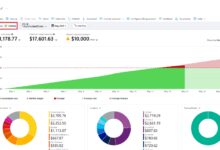
When you navigate to the Azure portal, you’re greeted with a customizable dashboard. This interface is designed for both simplicity and scalability. From here, administrators can deploy resources, monitor performance, and manage user access—all from a single pane of glass.
- The dashboard is fully customizable with widgets for cost analysis, resource health, and security alerts.
- Navigation is intuitive, with a left-hand menu for services like Compute, Networking, and Security.
- Search functionality allows quick access to any service or setting.
“The Azure portal is not just a dashboard—it’s the control center for your entire cloud ecosystem.” — Microsoft Cloud Documentation
How the Azure Login Portal Differs from Other Microsoft Logins
While Microsoft 365, Xbox, and Outlook all use Microsoft accounts (MSA), the Azure login portal typically relies on Azure Active Directory (Azure AD), which is designed for enterprise environments. This distinction is crucial for organizations managing multiple users and complex permissions.
- Azure AD supports multi-tenant applications, role-based access control (RBAC), and hybrid identity setups.
- Unlike personal Microsoft accounts, Azure AD identities are managed by organizations, allowing centralized control over access policies.
- Users may have both a personal MSA and an Azure AD account, but only the latter grants access to Azure resources.
Step-by-Step Guide to Accessing the Azure Login Portal
Logging into the Azure portal is straightforward, but knowing the correct steps ensures you avoid common pitfalls like account lockouts or unauthorized access errors. Follow this guide for a smooth experience.
Navigating to portal.azure.com
The first step is visiting the official Azure portal URL: https://portal.azure.com. Always ensure you’re on the correct site to avoid phishing attacks. Look for the padlock icon and “microsoft.com” in the address bar.
- Avoid clicking on third-party links claiming to lead to the Azure portal.
- Bookmark the official URL for quick and secure access.
- Use Microsoft Edge or Chrome for optimal compatibility.
Entering Your Credentials Correctly
After reaching the login page, enter your work or school email address associated with your Azure subscription. This is usually in the format username@yourcompany.com, not a personal @outlook.com or @hotmail.com address.
- If you’re unsure which account to use, contact your organization’s IT administrator.
- After entering your email, you’ll be prompted for a password and possibly multi-factor authentication (MFA).
- Ensure Caps Lock is off and your keyboard layout is correct to avoid repeated login failures.
Handling Common Login Errors
Even experienced users encounter login issues. Common errors include “User account not found,” “Invalid username or password,” or “This account has been locked.” Most can be resolved quickly with the right approach.
- “Account not found” usually means you’re using a personal Microsoft account instead of an Azure AD account.
- “Invalid credentials” may result from typos or expired passwords—use the “Forgot password?” link to reset.
- Account lockouts often occur after multiple failed attempts; wait 15–30 minutes or contact your admin.
Security Best Practices for the Azure Login Portal
Security is paramount when accessing the Azure login portal. A compromised account can lead to data breaches, unauthorized resource deployment, or financial loss due to cloud spending. Implementing strong security measures is non-negotiable.
Enabling Multi-Factor Authentication (MFA)
MFA adds an extra layer of protection by requiring a second form of verification—such as a phone call, text message, or authenticator app—after entering your password. This drastically reduces the risk of unauthorized access.
- Microsoft Authenticator app is recommended for push notifications and time-based codes.
- SMS-based MFA is less secure but still better than no MFA.
- Administrators should enforce MFA for all users, especially those with elevated privileges.
“Over 99.9% of account compromises can be prevented by enabling multi-factor authentication.” — Microsoft Security Report 2023
Using Conditional Access Policies
Conditional Access in Azure AD allows organizations to set rules that control how and when users can access the Azure login portal. For example, you can restrict logins to specific IP ranges or require compliant devices.
- Policies can enforce MFA based on user risk, location, or device compliance.
- You can block access from untrusted countries or public networks.
- Integration with Microsoft Intune enables device health checks before granting access.
Managing Session Timeouts and Sign-Out Practices
Idle sessions pose a security risk, especially on shared or public computers. Configuring appropriate session timeouts ensures that inactive users are automatically logged out.
- Default session timeout in Azure is 24 hours, but organizations can reduce this to 1–8 hours.
- Always manually sign out after using the Azure portal on any device.
- Encourage users to close their browser completely after logging out.
Role-Based Access Control (RBAC) in the Azure Login Portal
Not all users should have the same level of access. Role-Based Access Control (RBAC) allows administrators to assign permissions based on job functions, minimizing the risk of accidental or malicious changes.
Understanding Built-in Roles
Azure provides several built-in roles, such as Owner, Contributor, and Reader, each with specific permissions. These roles can be assigned at the subscription, resource group, or individual resource level.
- Owner: Full access to all resources and can delegate access to others.
- Contributor: Can create and manage resources but cannot grant access to others.
- Reader: Can view resources but cannot make changes.
Creating Custom Roles for Granular Control
For more precise control, organizations can create custom roles tailored to specific needs. For example, a “Virtual Machine Operator” role might allow starting and stopping VMs but not deleting them.
- Custom roles are defined using JSON templates with specific permissions.
- They can be scoped to specific services, reducing the risk of over-permissioning.
- Regular audits should be conducted to ensure roles remain aligned with business needs.
Assigning Roles via the Azure Portal
Role assignments are managed directly through the Azure login portal. Navigate to the desired scope (e.g., subscription), go to “Access control (IAM),” and click “Add role assignment.”
- Select the appropriate role and choose the user, group, or service principal to assign it to.
- Use Azure AD groups for easier management of multiple users.
- Always follow the principle of least privilege—grant only the permissions necessary to perform a task.
Using Single Sign-On (SSO) with the Azure Login Portal
Single Sign-On (SSO) simplifies access by allowing users to log in once and gain access to multiple applications, including the Azure login portal, without re-entering credentials.
How SSO Integrates with Azure AD
Azure AD acts as an identity provider (IdP) for SSO, supporting protocols like SAML, OAuth, and OpenID Connect. This enables seamless integration with thousands of enterprise applications.
- Users log in to Azure AD once and can access connected apps without re-authenticating.
- Administrators can configure SSO for custom apps or use pre-integrated ones from the Azure Marketplace.
- SSO reduces password fatigue and improves security by minimizing credential reuse.
Setting Up SSO for Enterprise Applications
To configure SSO for an application, go to Azure AD > Enterprise Applications > Select App > Single Sign-On. Choose the appropriate mode (SAML, Password, etc.) and follow the setup wizard.
- For SAML-based apps, you’ll need to upload metadata or configure URLs provided by the service provider.
- Test the configuration using the “Test” button before rolling it out to users.
- Provide user guidance on how to access the app via the My Apps portal.
Benefits of SSO for Users and Admins
SSO enhances both user experience and administrative efficiency. Users enjoy faster access, while IT teams gain better visibility and control over application usage.
- Reduces helpdesk tickets related to password resets.
- Enables centralized auditing and monitoring of app access.
- Supports compliance with security standards like GDPR and HIPAA.
Troubleshooting Azure Login Portal Issues
Even with best practices in place, users may encounter login problems. Knowing how to diagnose and resolve these issues quickly is essential for maintaining productivity.
Diagnosing Authentication Failures
Authentication failures can stem from incorrect credentials, expired passwords, disabled accounts, or MFA issues. The Azure portal often provides error codes that help pinpoint the cause.
- Error AADSTS50057 indicates a disabled account—contact your admin to reactivate it.
- AADSTS50148 suggests a password change is required—follow the reset process.
- Use the Azure AD Sign-in Logs to review detailed authentication attempts.
Resolving Browser and Cache Problems
Sometimes, the issue isn’t with Azure but with the browser. Corrupted cookies, outdated cache, or disabled JavaScript can prevent successful login.
- Clear browser cookies and cache, especially for portal.azure.com and login.microsoftonline.com.
- Try logging in using an InPrivate or Incognito window.
- Ensure JavaScript is enabled and ad blockers are disabled for Azure domains.
Contacting Microsoft Support for Persistent Issues
If self-help methods fail, Microsoft Support can assist with deeper diagnostics. Organizations with paid Azure subscriptions have access to technical support plans.
- Gather relevant information: user account, error messages, timestamps, and affected services.
- Open a support request via the Azure portal under “Help + support.”
- Choose the appropriate issue type and severity level to expedite resolution.
Advanced Features of the Azure Login Portal
Beyond basic login and resource management, the Azure portal offers advanced tools for automation, monitoring, and governance that empower organizations to scale securely.
Using Azure Cloud Shell for Command-Line Access
Azure Cloud Shell is a browser-based shell accessible directly from the portal. It supports both Bash and PowerShell, allowing users to manage resources via CLI or scripting.
- No installation required—runs in the browser with persistent storage.
- Pre-authenticated with your Azure session, so no need to re-login.
- Useful for automation, bulk operations, and advanced configuration tasks.
Monitoring with Azure Monitor and Activity Logs
Azure Monitor provides comprehensive insights into resource performance, while Activity Logs track administrative actions across your environment.
- Set up alerts for unusual login attempts or resource changes.
- Use Log Analytics to query and visualize operational data.
- Integrate with Power BI for executive dashboards.
Automating Tasks with Azure Automation and Runbooks
Azure Automation allows you to schedule and run repetitive tasks using runbooks—scripts that can start/stop VMs, manage backups, or enforce compliance policies.
- Runbooks can be written in PowerShell, Python, or using graphical workflows.
- Schedule them to run daily, weekly, or based on events.
- Reduces manual effort and human error in routine operations.
What is the correct URL for the Azure login portal?
The official URL for the Azure login portal is https://portal.azure.com. Always verify the domain to avoid phishing sites.
Why can’t I log in to the Azure portal?
Common reasons include using the wrong account type (personal vs. work/school), incorrect password, disabled account, or MFA issues. Check your credentials and contact your administrator if needed.
How do I enable multi-factor authentication for Azure?
Go to Azure AD > Security > Multi-Factor Authentication, select the user, and enable MFA. For organizations, use Conditional Access policies to enforce MFA automatically.
Can I use single sign-on with the Azure login portal?
Yes, Azure AD supports SSO for thousands of apps. Users log in once and gain access to all authorized applications without re-entering credentials.
What should I do if my Azure account is locked?
Wait 15–30 minutes for automatic unlock, or contact your Azure administrator to reset your account status. Avoid repeated login attempts to prevent further lockouts.
Mastering the Azure login portal is essential for anyone working with Microsoft’s cloud platform. From secure authentication and role-based access to advanced automation and monitoring, the portal offers powerful tools to manage your digital infrastructure efficiently. By following best practices like enabling MFA, using Conditional Access, and leveraging SSO, you can ensure both security and usability. Whether you’re a beginner or an expert, continuous learning and proactive management will help you get the most out of Azure.
azure login portal – Azure login portal menjadi aspek penting yang dibahas di sini.
Further Reading: