Welcome to the ultimate guide on the Azure Portal—your gateway to managing Microsoft’s cloud ecosystem with ease, precision, and power. Whether you’re a beginner or a seasoned cloud engineer, this comprehensive walkthrough will unlock the full potential of this essential tool.


What Is the Azure Portal?

The Azure Portal is Microsoft’s web-based interface for managing cloud services, resources, and subscriptions within the Azure ecosystem. It serves as a centralized dashboard where users can deploy, configure, monitor, and scale cloud infrastructure without needing deep command-line expertise.
A Unified Management Interface
One of the standout aspects of the Azure Portal is its role as a unified control center. Instead of juggling multiple tools or interfaces, administrators and developers can manage virtual machines, databases, networking, security policies, and AI services—all from a single pane of glass.
- Access to over 200 Azure services
- Real-time monitoring and alerts
- Integrated billing and cost management
“The Azure Portal simplifies cloud complexity by offering intuitive navigation and powerful automation tools.” — Microsoft Azure Documentation
How It Differs from CLI and PowerShell
While Azure CLI and PowerShell offer scriptable, headless access to Azure resources, the Azure Portal provides a visual, interactive experience. This makes it ideal for learning, troubleshooting, and quick deployments.
- GUI-based drag-and-drop resource creation
- Visual dependency mapping
- Immediate feedback through live dashboards
Navigating the Azure Portal Interface
Understanding the layout of the Azure Portal is the first step toward mastering it. The interface is designed for usability, with logical groupings and customizable elements that adapt to your workflow.
Dashboard and Home Screen
When you log in, the default dashboard displays key metrics, recent activities, and pinned resources. You can personalize this space by adding tiles for frequently used services like Virtual Machines, Storage Accounts, or Azure Monitor.
- Drag-and-drop tile customization
- Multiple saved dashboards for different teams
- Quick access to cost analysis and service health
Left Navigation Menu (Hub Menu)
The left-hand navigation menu—often called the Hub menu—provides access to all major Azure services. It includes sections like ‘All services’, ‘Favorites’, and ‘Recent resources’.
- Favorites allow quick access to commonly used tools
- Search bar enables instant filtering across 200+ services
- Resource groups and subscriptions are easily navigable
Key Features of the Azure Portal
The Azure Portal isn’t just a dashboard—it’s a feature-rich platform that empowers users to manage every aspect of their cloud environment efficiently.
Resource Management and Deployment
Deploying resources like virtual machines, app services, or Kubernetes clusters is streamlined through guided wizards. You can use templates (ARM or Bicep) for repeatable deployments or create resources manually.
- One-click deployment from Azure Marketplace
- Template-based provisioning for consistency
- Role-based access control (RBAC) integration during setup
Monitoring and Diagnostics with Azure Monitor
Azure Monitor is deeply integrated into the portal, allowing real-time insights into application performance, infrastructure health, and log analytics.
- Live metrics for CPU, memory, and network usage
- Custom alert rules based on thresholds
- Log queries using Kusto Query Language (KQL)
Learn more about Azure Monitor: https://learn.microsoft.com/en-us/azure/azure-monitor/
Security and Identity Management in Azure Portal
Security is paramount in cloud environments, and the Azure Portal offers robust tools to safeguard your data and access.
Azure Active Directory Integration
Azure AD (now Microsoft Entra ID) is the backbone of identity management. Through the Azure Portal, you can manage users, groups, roles, and multi-factor authentication (MFA).
- Create and assign conditional access policies
- Enable self-service password reset
- Integrate with on-premises Active Directory via Azure AD Connect
Security Center and Compliance Dashboard
Azure Security Center (now part of Microsoft Defender for Cloud) provides a unified security management system. It continuously assesses your environment for vulnerabilities and offers remediation steps.
- Threat protection for servers, databases, and networks
- Regulatory compliance tracking (GDPR, HIPAA, ISO 27001)
- Automated security recommendations
Explore Microsoft Defender for Cloud: https://learn.microsoft.com/en-us/azure/defender-for-cloud/
Cost Management and Billing Tools
One of the most powerful aspects of the Azure Portal is its ability to help organizations track, analyze, and optimize cloud spending.
Budgets and Cost Alerts
You can set monthly budgets at the subscription or resource group level. When spending approaches the threshold, the portal sends email notifications.
- Forecasted spend predictions
- Export cost data to CSV or Power BI
- Tag-based cost allocation for departments or projects
Cost Analysis Reports
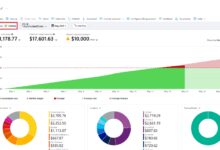
The Cost Analysis tool provides granular views of your spending patterns. You can filter by service, region, resource type, or tags to identify cost drivers.
- Daily, weekly, and monthly spend trends
- Comparison across time periods
- Integration with Azure Reservations for savings planning
Master your cloud costs: https://learn.microsoft.com/en-us/azure/cost-management-billing/
Automation and DevOps Integration
The Azure Portal supports modern DevOps practices by integrating automation tools that streamline deployment, testing, and monitoring.
Azure Automation and Runbooks
Azure Automation allows you to automate repetitive tasks using PowerShell or Python scripts called runbooks. These can be triggered manually, on a schedule, or via alerts.
- Automate VM start/stop schedules
- Synchronize configurations across servers
- Integrate with Logic Apps for workflow orchestration
Integration with Azure DevOps and GitHub
You can connect the Azure Portal directly to Azure DevOps or GitHub repositories for CI/CD pipelines. This enables automatic deployment of code changes to staging or production environments.
- Deploy web apps from GitHub with one click
- Use YAML pipelines for complex workflows
- Monitor deployment status directly in the portal
Customization and Personalization Options
The Azure Portal isn’t a one-size-fits-all interface. It offers extensive customization options to tailor the experience to individual or team needs.
Creating Custom Dashboards
Users can build personalized dashboards that display only the metrics and resources relevant to their role. For example, a database administrator might pin SQL performance tiles, while a network engineer focuses on bandwidth and firewall logs.
- Save multiple dashboard layouts
- Share dashboards with team members
- Embed charts and graphs from various services
Using Tags for Organizational Clarity
Tags are key-value pairs applied to resources for better organization. They help in filtering, searching, and reporting across large environments.
- Tag by environment (dev, test, prod)
- Assign ownership or department information
- Use tags in cost allocation reports
Best Practices for Using the Azure Portal
To get the most out of the Azure Portal, it’s essential to follow industry best practices that enhance security, efficiency, and scalability.
Implement Role-Based Access Control (RBAC)
Rather than giving everyone full access, assign roles like Owner, Contributor, or Reader based on job responsibilities. This minimizes the risk of accidental deletions or unauthorized changes.
- Use built-in roles or create custom ones
- Apply least privilege principle
- Regularly audit role assignments
Enable Multi-Factor Authentication (MFA)
MFA adds an extra layer of security by requiring a second form of verification during login. This is critical for protecting administrative accounts.
- Enforce MFA for all global administrators
- Use Microsoft Authenticator app or SMS
- Configure trusted IPs to reduce friction
Regularly Review Activity Logs
Azure Activity Log tracks all operations performed on resources. Regularly reviewing these logs helps detect anomalies and supports compliance audits.
- Set up alerts for critical operations
- Stream logs to Log Analytics or Event Hubs
- Retain logs for up to 90 days in the free tier
Troubleshooting Common Azure Portal Issues
Even the most experienced users encounter issues. Knowing how to troubleshoot common problems can save time and prevent downtime.
Portal Loading or Performance Issues
Sometimes the Azure Portal may load slowly or fail to respond. This can be due to browser compatibility, network latency, or service outages.
- Try using Microsoft Edge or Chrome in incognito mode
- Clear cache and cookies
- Check Azure Service Health for ongoing incidents
Permission Denied Errors
If you can’t access certain resources, it’s likely a permissions issue. Verify your role assignments and ensure you’re in the correct subscription context.
- Switch directories if managing multiple tenants
- Contact your Azure administrator for elevated access
- Use the Access Control (IAM) blade to check permissions
Future Trends and Updates in the Azure Portal
Microsoft continuously enhances the Azure Portal with new features, AI-driven insights, and improved user experiences.
AI-Powered Recommendations
Azure Advisor uses machine learning to analyze your configurations and suggest optimizations for cost, performance, security, and reliability.
- Get personalized recommendations in the portal
- Automatically apply fixes with one click
- Track improvement actions over time
Enhanced Mobile Experience
While the primary interface is desktop-based, Microsoft is improving mobile responsiveness and may introduce a dedicated app for on-the-go management.
- Responsive design for tablets and phones
- Push notifications for alerts and approvals
- Lightweight views for monitoring only
What is the Azure Portal used for?
The Azure Portal is used to manage cloud resources on Microsoft Azure. It allows users to deploy virtual machines, configure networks, monitor performance, manage identities, control costs, and automate workflows—all through a web-based graphical interface.
Is the Azure Portal free to use?
Yes, accessing the Azure Portal itself is free. However, the resources you create and manage within it (like VMs, storage, or databases) incur charges based on usage. You can use the free tier and credits to explore services at no cost initially.
How do I log in to the Azure Portal?
Visit https://portal.azure.com and sign in with your Microsoft account or organizational account. If you don’t have a subscription, you can create a free Azure account with $200 in credits.
Can I automate tasks in the Azure Portal?
Yes, the Azure Portal supports automation through tools like Azure Automation, Logic Apps, and integration with Azure DevOps and GitHub. You can also generate ARM templates from existing resources for repeatable deployments.
What are Azure Resource Groups?
Azure Resource Groups are logical containers that hold related resources for an Azure solution. They enable unified management, access control, and deletion of resources as a single unit, making them essential for organizing cloud infrastructure.
The Azure Portal is far more than just a management console—it’s a powerful, evolving platform that brings the full strength of Microsoft Azure to your fingertips. From deploying virtual machines to securing identities and optimizing costs, mastering the portal is essential for anyone working in the cloud. By leveraging its features, following best practices, and staying updated on new capabilities, you can maximize efficiency, security, and innovation in your organization’s cloud journey.
Recommended for you 👇
Further Reading: